How to Wash Cars in Car Wash Simulator
A complete foam-to-finish detailing workflow
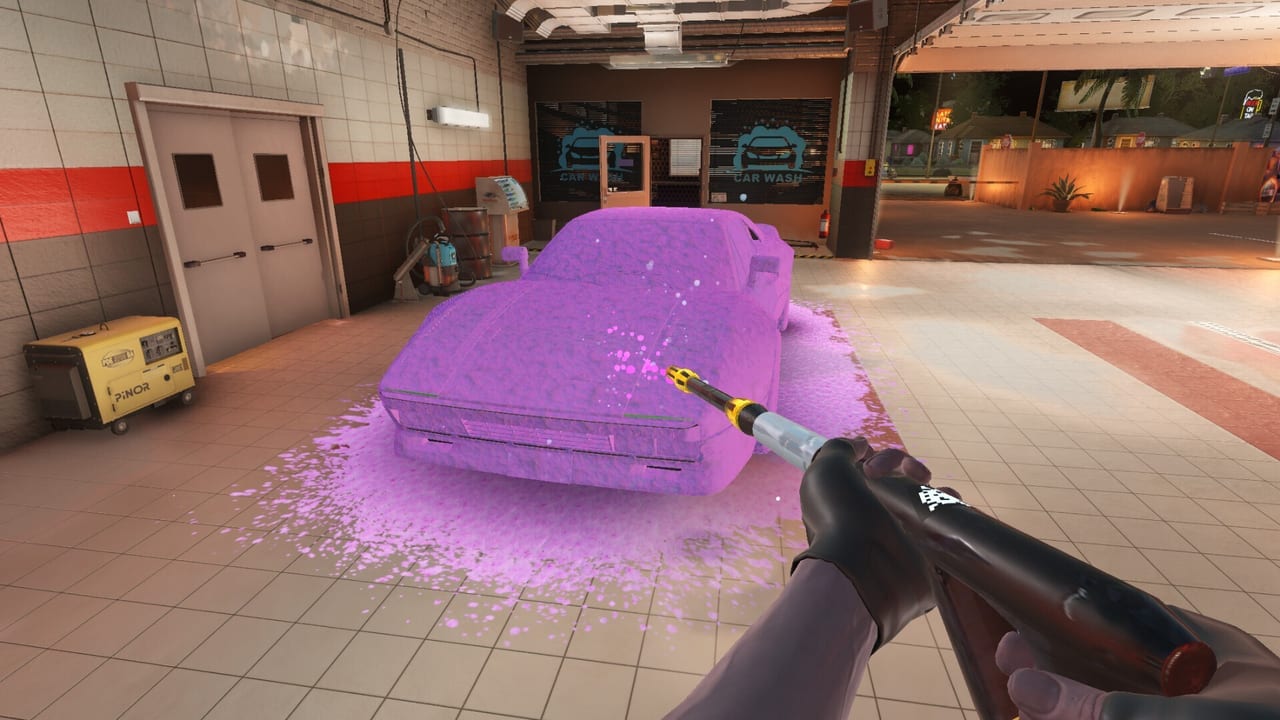
The cleaning fantasy, explained clearly
Car Wash Simulator is built around cathartic, layered cleaning rather than a single rinse button. Across fourteen cleaning mechanics you collect trash, foam and pressure-wash exteriors, clean undercarriages, clear heavy dirt, squeegee windows, detail rims, scrub mats, refresh upholstery and dashboards, blacken tires, and keep your own wash looking professional. This guide turns those systems into a repeatable solo workflow you can use in the downloadable demo and carry into Early Access on August 10, 2026.
Developer Majestic Twelve pairs that cleaning loop with business growth across Rent Hike Ridge and Havenwood. Quality still comes first. Money guides and tip planners only work if the car actually looks finished.
Pre-wash bay setup
Before foam touches paint, clear trash around and inside the vehicle path, confirm foam stock, and make sure your pressure washer tier is ready. A cluttered bay creates missed steps under time pressure later. If you are still learning inputs, skim Controls once, then return here and focus on sequence.
Exterior body: foam first, rinse second
Active foams—pink, blue, and premium white—are designed to melt tough grime before heavy rinsing. Do not treat them as optional paint. Cover dirty panels thoroughly, give the foam a moment to work when the job allows, then rinse with the best of the three pressure washer types you currently own. Stronger washers reduce the need for awkward second passes, which is why washer upgrades pair so well with tip runs described in Timed Jobs.
Work panel by panel instead of randomly striping the car. Consistent coverage prevents the classic failure mode: shiny doors beside a still-muddy rear quarter that the customer instantly notices.
Undercarriage and heavy dirt
Undercarriage washing and heavy dirt removal are easy to postpone and expensive to forget. Hit low and stubborn zones while exterior foam chemistry is still part of your mental checklist. If heavy mud remains after a light rinse, switch foam strategy or washer angle rather than pretending the timer will forgive you. Equipment comparisons for this stage live on Equipment.
Windows and rims
Windows need deliberate squeegee passes; rushed zigzags leave haze that reads as unfinished. Rims collect brake dust and road film that body foam alone will not solve. Detail them as their own mini-stage. Players who skip rims often wonder why tip multipliers fail despite a decent body rinse.
Mats, upholstery, and dashboard
Interior work separates a quick rinse shop from a real detailing bay. Scrub floor mats on the specialized grate flow instead of wiping them vaguely on the pavement. Clean upholstery and dashboard surfaces with the tools unlocked for those jobs. Interior neglect is one of the fastest ways to lose Respect momentum even when the exterior sparkles in screenshots.
Tire blackening and final presentation
Tire dressing is the closer. Fresh rubber presentation sells the whole job. After tires, walk the vehicle once: body, glass, rims, interior, tires, surrounding floor. Then tidy your facility. Day and night lighting can hide residue, so use movement and multiple angles rather than trusting a single camera glance.
A reliable full-service sequence
- Trash and bay prep
- Foam selection and full body coverage
- Pressure rinse and missed-spot pass
- Undercarriage and heavy dirt
- Windows and rims
- Mats on the grate workflow
- Upholstery and dashboard
- Tire blackening
- Facility cleanup and tools reset
Run this exact order for many cars before you invent shortcuts. Shortcuts are earned, not guessed.
Adapting the loop for tip timers
When a timed job appears, do not invent a brand-new order. Compress travel and reduce tool swaps while protecting the same sequence. Foam coverage still matters because unfinished chemistry creates redo rinses that destroy the clock. See Timed Jobs and Make Money Fast for economy context, and use the Tip Planner when deciding whether your next purchase should serve speed or completeness.
Quality standards by progression stage
Early demo or early Early Access hours: perfect the sequence more than the clock. Mid progression: maintain quality while reclaiming wasted steps. Expansion stage: hire your attention like a manager—each wash in your growing set of up to ten Early Access locations still needs the same finish standard even as the roadmap targets roughly twenty washes later.
Linking cleaning skill to empire systems
Respect and XP upgrades reward players who look competent. Online Store deliveries should restock the chemicals and tools that support this loop, not random novelty. Side mini-games can warm up aim and movement, but they do not replace a finished mat scrub; details are in Mini-Games. Planned shady deals should never become an excuse for shipping dirty cars—read Shady Deals separately.
Practice plan
Spend one session only on exteriors until foam and rinse feel automatic. Spend the next session forcing full interiors on every car. On the third session, add tire dressing and facility cleanup as non-negotiable endings. On the fourth, introduce timers. This staged practice works in the Demo and remains valid after August 10, 2026.
Related reading
Return to Getting Started, then study Timed Jobs, Equipment, Tier List, Map Hub, and the Guides Hub. For storefront context see Review and Official Links.
Frequently Asked Questions
Quick answers to the most common questions.
How many cleaning mechanics does Car Wash Simulator include?
The game advertises fourteen cleaning mechanics spanning trash, exterior foam and rinse work, undercarriage, windows, rims, mats, interiors, tires, and facility upkeep.
Do pink, blue, and white foams actually matter?
Yes. Active foams soften grime before pressure washing. Cover panels properly instead of rinsing dry dirt and hoping for the best.
What do players forget most often?
Mats, rims, tire dressing, undercarriage pockets, and facility cleanup are the usual misses that quietly ruin tip potential.
Should I change my wash order for timed jobs?
Keep the same order and remove wasted movement. A brand-new sequence under pressure usually creates more mistakes.
Where can I compare washers and chemicals?
Use the Equipment page and Tip Planner under Tools, then apply those buys inside the wash sequence on this page.